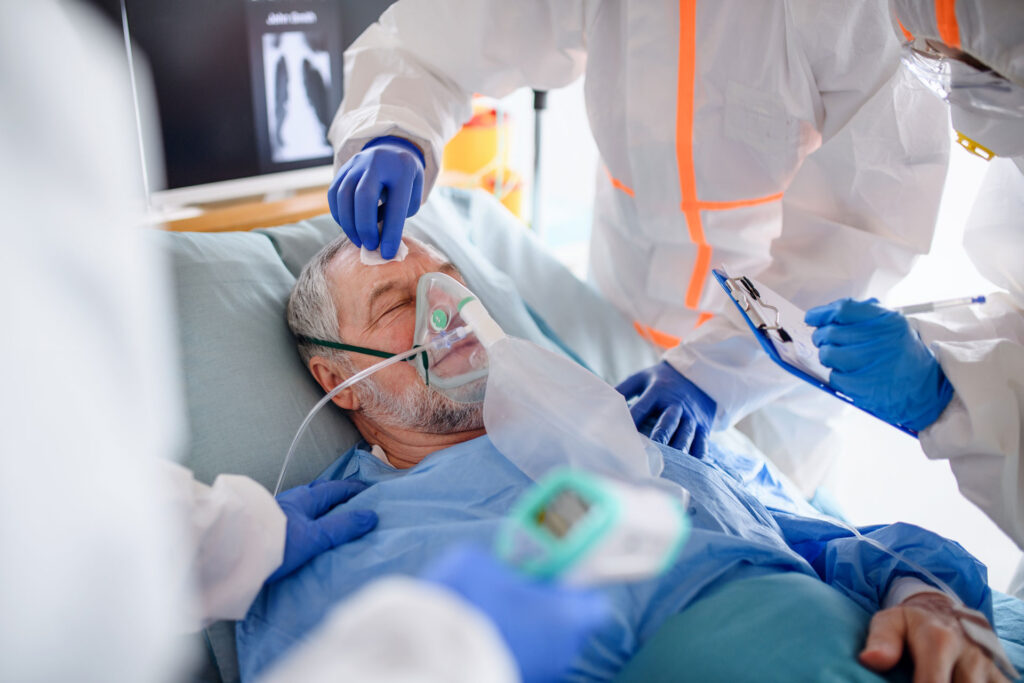
I would like for you all to know that in 2020, I was one of the first people diagnosed with COVID-19. Thanks to my Lord and Savior and the wonderful care I received at George Washington University Hospital, I was able to make it through and live to give my testimony.
I experienced a tremendous number of complications and continue to deal with some of them to this day. However, I have been motivated and touched by my Lord and Savior to become an advocate for those affected by pandemics.
My goal is to help senior citizens, our youth, the homeless, and anyone who has experienced a setback or is in need of assistance because of a pandemic or other difficult circumstances they may have experienced at any point in their lives.
I would like to be of service and provide assistance through grants, donations, fundraising, and, of course, contributions from my own resources whenever possible.
These are some of the things I hope to accomplish through my foundation. All volunteers are welcome, and anyone who would like to assist me on this journey is encouraged to reach out to my foundation.
I know I will not be able to do this alone, and I welcome anyone who is willing to join me in making a difference in the lives of others.
Thank you, and God bless.
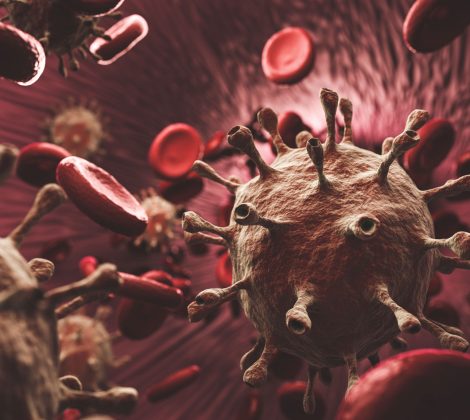
Viruses are microscopic agents that can cause various illnesses. Understanding how they interact with the human body is key to developing treatments and preventative measures like vaccines.
Common symptoms can include fever, cough, fatigue, and difficulty breathing. Some individuals may experience mild symptoms, while others might develop severe complications depending on their health status.
Self-isolation means staying home and avoiding contact with others to prevent the potential spread of an infection, especially if you have been exposed or are showing symptoms.
The virus primarily spreads through respiratory droplets when an infected person coughs, sneezes, or talks. It can also spread by touching contaminated surfaces and then touching your face.
Yes, children can contract and transmit the virus, even if their symptoms are mild. It is vital for them to follow safety measures like hand washing, wearing masks, and distancing to protect everyone.
Protection involves a combination of strategies: maintaining good hand hygiene, wearing masks, keeping physical distance from others, and staying updated with recommended health vaccinations. By following these collective measures, we significantly reduce the risk of transmission and help safeguard the most vulnerable members of our community.
Current evidence suggests that pets generally do not play a significant role in spreading the virus to humans. However, if you are feeling unwell or have tested positive, it is a sensible precaution to limit close contact with your pets and maintain high standards of cleanliness to ensure the safety of everyone in your household.
The virus’s ability to survive on surfaces depends on factors like the type of material (e.g., plastic or metal), room temperature, and humidity levels. Because the virus can remain active on some surfaces for hours or even days, regular cleaning and disinfection of frequently touched areas are essential safety habits.